
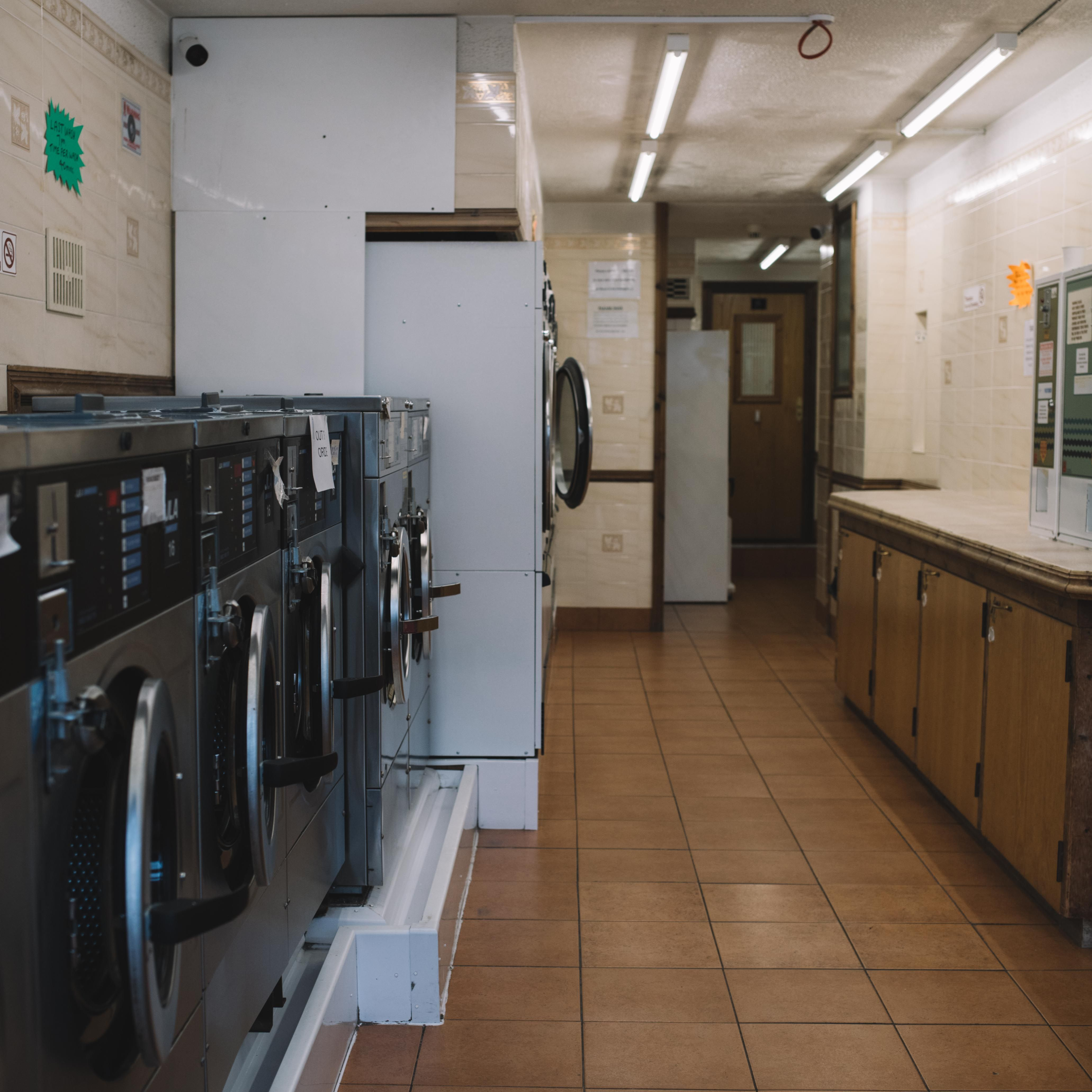
Quick Answer: Making on-site laundry work when you do not have in-unit hookups comes down to planning. Pick off-peak windows, batch your loads into one trip, carry a caddy, and follow basic shared laundry courtesy. Then ask the leasing office about machine counts, hours, and payment before you sign. A routine beats a gamble.
Making on-site laundry work when you do not have in-unit hookups sounds like a compromise. Sometimes it is. Still, plenty of renters across the USA run a smooth laundry week without a machine in the apartment, and a little planning does most of the work. The Circle at Denison serves renters in Denison, Texas, and you can browse our apartment floor plans while you think through how laundry fits your week.
What Is the In Unit Laundry Meaning for Renters?
In unit laundry means the washer and dryer sit inside your apartment, so a load never requires leaving home. Hookups are different: the plumbing and vent exist, but you bring the machines. On-site laundry is a shared room on the property that every resident uses.
Listings blur these terms. A line that just says laundry could mean any of the three, so treat it as a question to ask, not an answer.
On Site vs In Unit Laundry at a Glance
| Option | Where the machines live | Setup cost to you | Watch for |
|---|---|---|---|
| In-unit laundry | Inside your apartment, provided | Usually none | Rent often runs higher |
| Hookups only | Inside your apartment, you supply them | Buy or rent a washer and dryer | Delivery, install, and repairs are yours |
| On-site shared room | Common room on the property | None, apart from any per-use fees | Peak-hour waits and shared-machine downtime |
| Laundromat or drop-off | Off the property | Per-load or per-pound fees | Travel time and store hours |
Demand explains why people ask. According to Zillow data reported by Apartment Therapy, in-unit laundry was the second most used rental filter in February 2023, behind only pets allowed. The same data put in-unit laundry in roughly 43 percent of rentals nationwide and left 57 percent without it. Going without is the more common situation, not the odd one.
There is a real upside too. Redfin notes that apartments with community laundry typically rent for less than comparable buildings with in-unit machines, and you keep the closet space a stacked pair would take. Whether that nets out in your favor depends on how often you wash and what the shared machines cost per cycle. Do the math before you assume it's a sacrifice.
How Do You Make Shared Laundry Work in Apartment Living?
Treat laundry as a weekly appointment instead of a chore you squeeze in. Choose a slow window, batch your loads into one visit, carry everything in a single caddy, and stay close enough to move clothes the minute a cycle ends. That routine removes most of the friction people associate with shared laundry.
Here is the routine that tends to hold up.
- Pick off-peak slots. Weekday mornings and late evenings are usually quieter than weekend afternoons. RentCafe's resident guidance, updated in June 2026, says even shifting your laundry by a few hours can ease crowding.
- Sort at home. Walk in with a plan and fill each machine properly instead of running two half loads.
- Pack one caddy. Detergent, a stain pen, dryer balls, and your payment method. One trip beats three.
- Set a timer. Alarm it for five minutes before the cycle ends, then be back on time.
- Fold at home. Folding space fills fast, and your own bed is always free.
None of this is glamorous. It works because it shrinks apartment laundry from an open-ended errand to a predictable hour.
What to Ask About the Laundry Room in Apartments Before You Sign
Machine counts and rules differ from one community to the next, so get specifics instead of guessing. Good questions for the leasing office:
- How many washers and dryers serve the building I would live in?
- How do I pay, and is there a fee per cycle?
- What are the laundry hours?
- How do I report a broken machine, and how fast is it fixed?
- Are any units set up with hookups?
You can reach The Circle at Denison at (903) 436-8979. The community features page covers the amenities listed for the property, and the team can fill in laundry details that a web page can't.
What Is Laundry Room Etiquette, and Why Does It Matter?
Laundry room etiquette is the set of small courtesies that keep a shared space fair: move your clothes promptly, clean up after yourself, respect other people's machines, and follow posted hours. It matters more than it sounds. One forgotten load can stall everyone waiting behind you.
Start with timing. Stepping out mid-cycle is fine. Sitting on a finished load is not. If you do have to move someone else's clothes, first check that the owner isn't standing just outside, then set them somewhere clean, never on the floor.
There is a safety reason beyond manners. The U.S. Consumer Product Safety Commission's dryer safety sheet advises cleaning the lint screen after each load and says clothes that take longer than normal to dry can signal a blocked screen or vent. It also says not to leave dried clothes sitting in the dryer. The U.S. Fire Administration's clothes dryer fire safety flyer says the same thing from another angle: the risk rises when lint filters and vents go uncleaned. Pull your lint, and the next person's load dries faster too.
A few habits round it out. Take your detergent home instead of parking it on a shared shelf. Skip extra machines at busy hours. Tape a note on anything broken so the next resident doesn't lose a cycle. Keep late cycles inside any quiet hours the community posts.
Is a Portable Washer an Option Without Hookup Laundry?
Possibly. Compact portable washers are the usual answer for apartments without hookups, and Redfin lists ultra-compact models in the 1.6 to 2.6 cubic foot range. Expect smaller loads and a slower week when bedding piles up. Ask management before you buy, since your lease may set rules on appliances and water use. A drying rack covers the rest, because a standard dryer needs a vent.
Frequently Asked Questions
1. What does in unit laundry mean in an apartment listing?
It means a washer and dryer are installed inside the apartment itself. It is not the same as hookups, which only provide the connections, and it is not a shared room. When a listing says only laundry, ask the leasing office which setup it describes before you tour.
2. Is on-site laundry cheaper than in-unit laundry?
Often on the rent side, yes. Redfin notes that community laundry typically rents for less than comparable in-unit buildings. Per-cycle fees, if the machines charge them, are the offset. Ask what a wash and dry costs, multiply by your weekly loads, and compare that against the rent difference.
3. When is the best time to use a shared laundry room?
Off-peak hours win. Aim for slower windows like these:
- Weekday mornings after the commute rush
- Late evenings, within any posted quiet hours
- Mid-afternoon on weekdays
- Anywhere outside the weekend crowd
4. What are my options if there are no hookups and no laundry room nearby?
A laundromat is the standard fallback, and drop-off service trades money for time. A portable washer plus a drying rack can handle small households, if your lease allows it. Pick based on how many loads you run each week and how far the nearest laundromat sits from home.
5. Can I leave clothes in the washer while I run an errand?
Yes, for the length of the cycle. Come back when it ends, because finished loads block the machine for the next resident. Set a timer, and if you can't return in time, hold off on starting the load.
Making On-Site Laundry Work in Denison, Texas
Laundry is a small part of apartment living, but it shapes your week more than most amenities. With the right questions, an off-peak habit, and a little etiquette, shared machines stop feeling like a downgrade. Use the neighborhood map to plan errands around laundry day, and stop by 1527 South Austin Avenue, Denison, TX 75020, or call (903) 436-8979 during office hours to ask about laundry options. Planning ahead is how you end up making on-site laundry work when you do not have in-unit hookups.